In the world of online shopping, Amazon delivery driver jobs have emerged as a reliable source of steady income and daily flexibility.
This article offers a comprehensive overview, tailored for those exploring new job options or considering a side hustle.



Amazon’s delivery positions aren’t just about driving; they’re about creating opportunities for individuals seeking stability, a sense of purpose, and adaptability.
Whether newcomers or experienced drivers, understanding the role’s requirements and potential can provide valuable direction in a fast-paced gig economy.
What Are Amazon Delivery Driver Jobs?
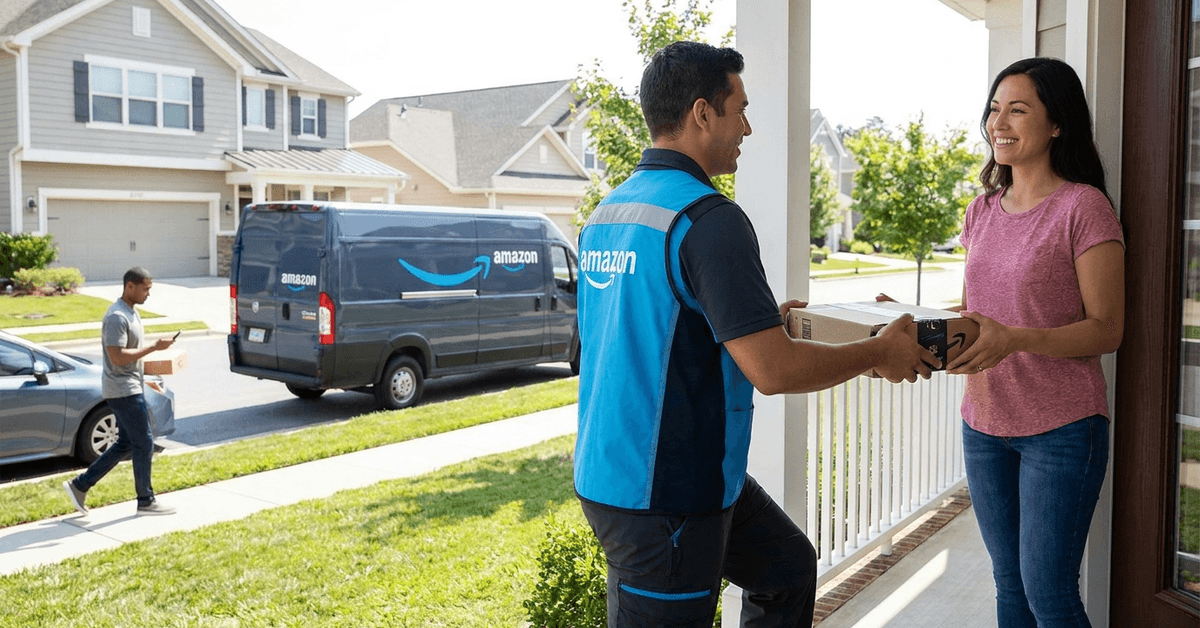
Amazon delivery driver jobs involve picking up packages from Amazon delivery stations and safely transporting them to customers’ doorsteps.
There are two primary pathways: joining an Amazon Delivery Service Partner (DSP) team or working as an Amazon Flex independent contractor.
While both options allow for a degree of independence, they differ in structure, pay scales, and day-to-day expectations, which might affect your choice.
Types of Amazon Delivery Driver Roles
A closer look into these roles makes it easier to weigh options. Some people might prefer the consistency of scheduled shifts, while others target flexibility above all else.
Delivery Service Partner (DSP) Drivers
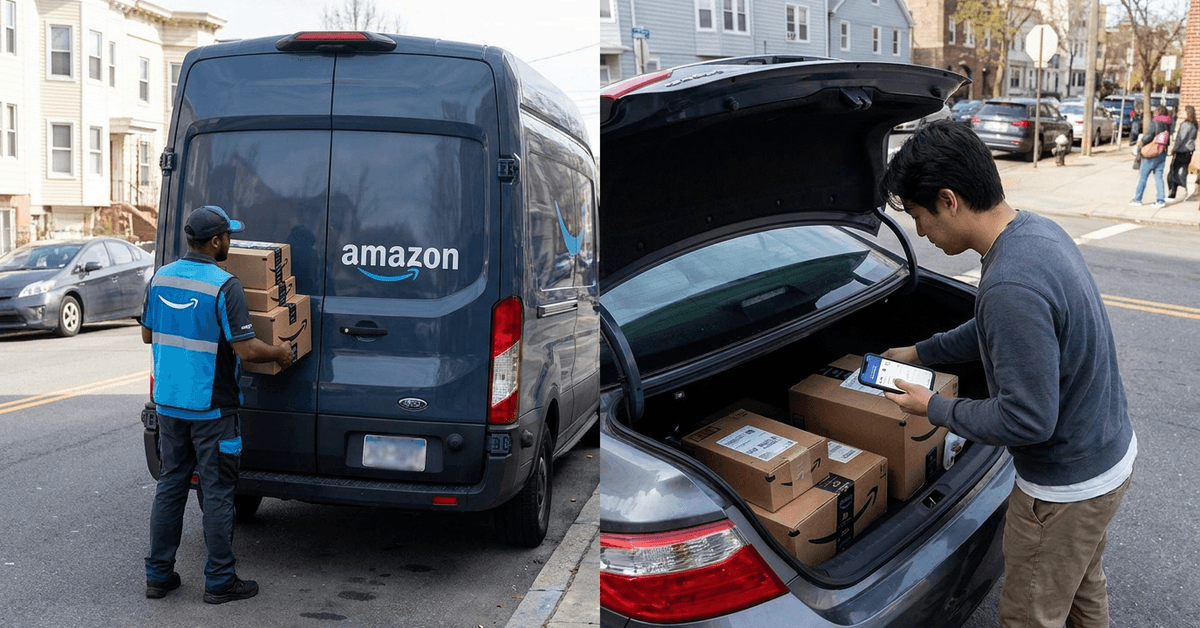
DSP drivers are hired by local businesses contracted with Amazon. They use Amazon-branded vans and adhere to assigned schedules and routes, with steady pay and potential benefits.
Since DSP drivers are regular employees, there’s typically a required application process, background check, and training before taking on routes.
Amazon Flex Drivers
Amazon Flex is a gig-based alternative. Drivers use their own vehicles to deliver packages, setting work hours through the Flex app.
Flex appeals to those who value setting their schedules, perhaps as a side gig alongside primary jobs or studies, with a pay-per-block model.
Who Should Consider Amazon Delivery Jobs?
These roles may suit a variety of people: students looking to supplement their income, retirees seeking social engagement, or anyone wanting job flexibility.
Bilingual applicants, in particular, might find opportunities to serve diverse communities, but the main language requirement tends to be proficiency in English or Spanish.
Comfort with navigation apps, the ability to lift packages, and a positive attitude towards customers help applicants excel.
Requirements and Qualifications
The requirements differ slightly between DSP and Flex. Most focus on driving ability, background, and physical fitness.
Basic Requirements for DSP Drivers
- A valid driver’s license (Check state/provincial regulations for class type).
- Some DSPs may require a clean driving record and previous work references.
- Physical ability to lift packages (up to 23 kg/50 lbs) and manage frequent stops.
- Legal authorization to work in the country.
Basic Requirements for Flex Drivers
- Own a mid-sized or larger, registered vehicle (some areas allow smaller cars for Amazon Fresh blocks).
- Be at least 21 years old (age may vary by region).
- Smartphone with the Amazon Flex app installed and reliable internet access.
- Valid driver’s license and background screening.
How to Apply for Amazon Delivery Driver Jobs
The application process is generally straightforward, although it can vary depending on region or the partnership involved.
For DSP roles, applicants usually apply via the official Amazon Logistics page or through third-party job boards listing local openings.
Amazon Flex drivers must download the Flex app, create a profile, select a region, and provide required documentation for background checks.
Many find that patience is essential. Sometimes, demand outpaces supply, meaning not all regions are actively recruiting year-round. Notifications can confirm when hiring opens again.
Expected Pay and Benefits
Pay rates can depend on location, season, and job type, but drivers usually earn a competitive wage compared to other gig-economy positions.
DSP Drivers
As employees, DSP drivers often receive hourly wages, paid weekly. Some DSPs also offer health benefits, paid time off, and advancement paths for high performers.
Flex Drivers
Flex drivers get paid per delivery block. Earnings usually range from $18–$25 per hour depending on area and demand.
Payouts are processed through direct deposit, and drivers have significant control over their schedules and workload.
Key Skills and Personal Strengths
What makes someone a successful Amazon delivery driver? Navigation, time management, and attention to detail are crucial assets for both DSP and Flex drivers.
Bilingualism is a plus in diverse neighborhoods, helping drivers communicate more effectively and build rapport with customers.
Anyone willing to handle unpredictable traffic, manage multiple deliveries efficiently, and solve on-the-job problems is likely to thrive.
Day-to-Day Experience
A typical day starts with route planning. DSP drivers may meet at a delivery station for briefings before loading up Amazon-branded vehicles.
Flex drivers receive route blocks via app notification, pick up assigned packages, and begin delivery immediately—often at their own pace.
Some days might be a breeze. On others, unexpected traffic, weather, or tricky addresses can add stress, but most find satisfaction in completing their routes promptly.
Opportunities for Growth and Longevity
Working with Amazon may open doors to additional roles or long-term positions in logistics, customer service, or operations, depending on your interests.
DSP drivers might be promoted to lead or supervisor, while Flex drivers gain gig economy experience that carries over to other delivery apps or rideshare platforms.
Over time, familiarity with local communities and established reliability can lead to job security or higher daily earnings.
Tips for Success as an Amazon Delivery Driver
Being proactive can make routes easier and more rewarding. Keeping a well-maintained vehicle and mapping out routes ahead of time improves efficiency.
Maintaining good communication with delivery coordinators or using the Flex app tools helps resolve issues quickly, reducing delays.
Some also recommend developing routines for organizing packages and snacks to keep energy up throughout long shifts.
Legal and Tax Considerations
DSP drivers are typically considered employees, so their taxes are withheld and managed as part of the payroll process by the partner company.
Flex drivers, classified as independent contractors, manage their taxes and may need to track expenses, fuel, and mileage for deductions.
Seeking guidance from a professional or using the IRS Self-Employed resources can provide helpful clarification, especially for those new to gig work.
Conclusion: Is an Amazon Delivery Driver Job Worth It?
For many, the appeal of Amazon delivery driver jobs lies in practical benefits: flexible hours, consistent demand, and a sense of contributing to everyday life.
The work presents its own set of challenges—from time pressures to unpredictable routes. Still, these can be balanced against opportunities for quick earnings, valuable experience, and community engagement.
Ultimately, the answer depends on your personal situation, goals, and comfort with the unique blend of independence and responsibility these jobs provide in today’s gig-driven world.