If you are new to credit cards, the Nationwide Credit Card gives you a straightforward starting point with clear rules and simple controls.
You get access to promotional offers, strong consumer protections, and digital tools that make it easier to track what you spend. You can use it for everyday shopping, plan bigger purchases, or reorganize existing debt.



When you repay on time and stay within your limit, it can support your financial goals without becoming unmanageable.

Top Reasons To Get The Nationwide Credit Card
New users often need simple reasons before committing to their first card, and this product offers several.
The Nationwide Credit Card combines low introductory interest rates, travel-friendly features, and beginner-friendly digital management.
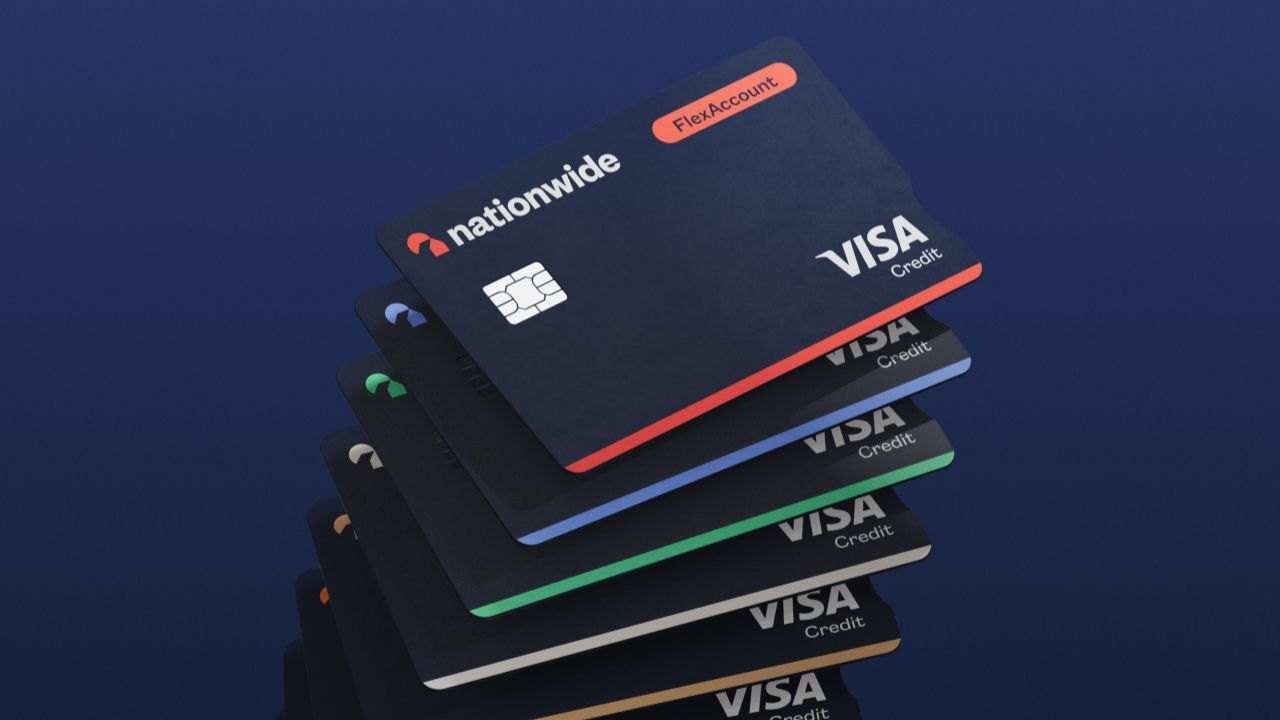
Instead of juggling different cards for different purposes, you can work with one member card that covers most day-to-day needs.
Used thoughtfully, it can help you save on interest, protect important purchases, and build a positive repayment history. That mix makes it attractive if you want flexibility backed by a well-known UK building society.
Flexible 0% Introductory Offers
Introductory 0% interest deals are a major attraction here if you are starting out. The Purchase and Balance Transfer option gives 0% on purchases and balance transfers for the first 15 months from account opening, subject to status.
The Balance Transfer option gives 0% on balance transfers for 24 months and 0% on purchases for 3 months, again subject to your personal offer.
These windows give you time to reduce existing balances or spread the cost of planned spending without immediate interest. To benefit, you still need a realistic repayment plan that aims to clear or reduce your balance before the promotional periods end.
Travel Friendly And Everyday Protection
If you spend abroad, you benefit from no commission fees from Nationwide on purchases made in other countries, although individual sellers may still add their own charges.
That means you can use your Nationwide Credit Card on holidays or business trips without extra foreign purchase fees from the provider itself. For emergencies, the card can also act as a backup if your main funds are tight.
Rates, Fees And Charges Explained
Understanding the pricing structure is essential before you apply, especially if this is your first card.

The Nationwide Credit Card uses a single member product with different introductory offers, but the core interest and fee structure remains transparent.
Representative APR is 24.9 percent variable, and once promotional periods end, standard rates apply to purchases, balance transfers, and cash advances.
You also get a maximum of up to 56 days interest-free on purchases if you pay your full non-promotional statement balance on time each month. Knowing these basics helps you avoid surprises and decide whether the card suits your budget.
Interest Rates And Promotional Periods
Nationwide shows a representative APR of 24.9 percent variable, which includes the effect of any fees and typical borrowing costs over a year.
During the introductory period, purchases can be at 0 percent for either 3 months or 15 months, depending on whether you choose the Balance Transfer or the Purchase and Balance Transfer offer. Balance transfers enjoy 0 percent interest for either 15 months or 24 months, again depending on your chosen version.
Cash withdrawals do not get an introductory offer and are charged at the standard purchase rate plus fees. Once your promotional period ends, any remaining balance is charged at your personal standard rate, so planning ahead is essential.
Balance Transfer Fees And Cash Withdrawal Costs
When you move an existing card balance to your Nationwide Credit Card, you pay a balance transfer fee. For transfers made within 90 days of opening the account, the fee is 2.99 percent of the amount transferred, with a minimum charge of £5.
Transfers made after that period attract a lower 2.4 percent fee but are charged interest at the standard APR from day one.
Cash withdrawals carry a 2.5 percent fee, with a minimum of £3 on each cash advance. Using the card for cash is usually more expensive than using it for purchases, so you should treat cash withdrawals as a last resort.
Other Fees, Foreign Use And Default Charges
There is no annual fee for holding the Nationwide Credit Card, which keeps costs straightforward. You will not be charged late payment fees or over-limit fees, but missing payments or going above your limit can still harm your credit score.
When you use the card abroad for purchases, Nationwide does not charge a foreign transaction fee, although cash withdrawals abroad still carry the standard cash fee.
Visa exchange rates apply to foreign transactions, and details are published by Visa Europe. Because default charges are set at £0, the biggest financial risks come from ongoing interest and the impact of poor account management over time.
Which Nationwide Credit Card Is Right For You
Nationwide offers one member credit card with two different introductory configurations, so your choice depends mainly on how you plan to use it.

If you expect to make new purchases and also want to move an existing balance, one version may fit better.
If your priority is clearing old debt as cheaply as possible, the other version may be more effective.
When you compare the offers, focus on how long you need to repay and how disciplined you can be. Matching the card structure to your real habits helps you avoid avoidable interest later.
Purchase And Balance Transfer Option
The Purchase and Balance Transfer option is usually best if you want both spending flexibility and some balance transfer breathing room.
You get 0 percent on purchases and balance transfers for the first 15 months, which can help with planned expenses and moderate existing debt. This setup works if you intend to use the card for upcoming costs such as travel, appliances, or home projects.
It suits people who can repay steadily and avoid growing the balance too aggressively during the offer. If you mainly see the card as a flexible daily tool, this version often fits better.
Balance Transfer Option
The Balance Transfer option is aimed at people whose main goal is to clear existing credit card debt more cheaply.
It offers 0 percent on balance transfers for 24 months, which is longer than the alternative, plus 0 percent on purchases for 3 months. This version makes the most sense if you want to move one or more balances and then focus mainly on repayment.
You should avoid heavy new spending once the initial 3-month purchase window ends. If you treat the card as a structured debt reduction tool with regular payments, this configuration can save meaningful interest.
Choosing Based On Your Situation
If you are new to credit and your finances are stable, the Purchase and Balance Transfer option may feel more flexible.
If you currently carry balances on other cards at higher interest rates, the Balance Transfer option is often more efficient. Think carefully about your income, essential expenses, and how quickly you can realistically repay each month.
Also, ask whether you are likely to be tempted by extra spending once you see a low promotional rate. Choosing the configuration that matches your real behavior, not just your intentions, will give you the best outcome.
Eligibility, Requirements And How To Apply
Before you apply, you should confirm that you meet Nationwide’s membership and basic lending criteria.

The card is only available to people aged 18 or over who are UK residents and earn at least £5,000 a year before tax. You also need to hold a Nationwide current account, savings account, or mortgage.
You cannot apply if you already have a Nationwide credit card, or if you were declined for a Nationwide credit card within the last 30 days. If you held a Nationwide credit card within the last 12 months, you will not qualify for the new introductory offers.
Eligibility And Documentation Requirements
To apply successfully, you should be prepared to share details about your living situation, income, and regular outgoings.
Lenders use this information to decide what APR and credit limit they can offer you fairly. You should have accurate figures for your salary, any benefits, rent or mortgage payments, and other key commitments.
Being honest helps avoid limits that are either too high or too low for your circumstances. As with any UK credit application, Nationwide will run a credit check, so previous repayment behavior on other accounts will also matter.
Step-by-Step Application Process
The simplest way to start is to check your eligibility online through the Nationwide website or internet bank.
This soft check does not affect your credit score and provides an indication of the offer you might receive. If you are happy with the result, you can continue the full application online once logged into the internet bank.
You can also call Nationwide to complete an application by phone if you prefer speaking to someone. Finally, if you want face-to-face support, you can visit a branch and ask the staff to guide you through the process.
Customer Service Hotline And Main Office Details
If you want to apply or ask questions by phone, you can call Nationwide on 0800 30 20 10 from within the UK, or +44 1793 65 67 89 from abroad, during their published opening hours.
These lines can help you check eligibility, start an application, or get help with an existing card. If you need a postal address, the main head office is Nationwide Building Society, Nationwide House, Pipers Way, Swindon, SN38 1NW.
Conclusion
The Nationwide Credit Card is a strong option if you are new to credit and already bank with Nationwide. You get transparent pricing, no annual fee, and a choice of introductory 0% offers aimed at either new spending or clearing existing debt.
If you meet the eligibility criteria and can commit to a realistic repayment plan, this card can be a practical tool for building healthy credit habits.
Note: There are risks involved when applying for and using credit. Consult the bank’s terms and conditions page for more information.